

Why I Open the Block Explorer Before My Wallet: Practical Ethereum Analytics
So I was poking around a pending tx this morning and something felt off. Wow! My instinct said the gas estimate was low. I checked the nonce and saw a gap, and then the story started to get weird—really weird actually. On one hand the gas looked fine, though the to-address was flagged in a way that made my skin crawl.
Here’s the thing. Seriously? The block explorer is not just a lookup tool. It’s forensic software for everyday developers and token traders. Short answer: you learn three critical things instantly—who paid the gas, how many internal calls happened, and whether that contract was verified. Long answer: with a bit of pattern recognition you can spot front-running bots, obvious approvals, and proxy upgrade tricks before they bite you.
First impressions matter. Hmm… watch the «From” and «To” rows. If the same wallet sends dozens of tiny txs in quick succession, there’s likely a bot in the middle. Medium-sized transactions with long input data strings usually mean contract interactions rather than simple transfers. And if the contract code is unverified, that’s a red flag—no ABI means you can’t easily read what functions do.
Let me be honest—I’m biased, but I trust trace data. Whoa! Traces show internal value flows that the basic tx view hides. Initially I thought internal txs were rare, but then I realized many DeFi operations are mostly internal transfers across contracts. So don’t ignore the internal tx tab; sometimes the money moved two or three hops away in a single block, which changes how you calculate slippage and expected returns.
One practical habit: check the contract’s «Verified Source” status first. Seriously. If it’s verified, click through and scan the constructor and public functions. Medium scans reveal approvals, owner-only functions, and arbitrary delegatecall patterns. Longer examination—especially of proxy patterns—can show whether the contract owner can change logic later, which matters for custody and risk.
Okay, so check token transfers too. Wow! Token transfer events are the clearest breadcrumbs for ERC-20 movements. If a wallet receives a large token amount then dumps it across many addresses, you’re probably watching a liquidity migration or a rug. I’m not 100% sure in every case, but pattern recognition gets you most of the way.
Gas analysis is another non-sexy but essential bit. Hmm… comparing maxFeePerGas to baseFee and priorityFee across consecutive blocks tells you whether the sender is trying to bribe miners or just reacting to congestion. A long string of increasing priority fees could mean urgency, maybe a bot racing to beat a swap. On the flip side, consistent low priority fees with many retries suggests poor nonce handling—very very annoying when you’re trying to batch txs.
Check the input data. Seriously? People skip this and then wonder why a tx did something unexpected. Decode the input using the contract’s ABI if available. If not, raw hex sometimes reveals function signatures—those first 4 bytes are gold. And here’s a finer point: event logs are cheaper to parse and will show approvals and transfers even when the tx itself seems opaque.
Now about analytics dashboards—those graphs are helpful but they smooth over the jagged reality. Whoa! A daily volume spike might hide five enormous trades that moved price and created a cascade of liquidations. So I cross-reference the charts with the actual tx list and traces. Initially I thought charts were enough, but actually they can lull you into a false sense of security.
Here’s a short checklist I run in my head before signing or monitoring: who paid gas, is code verified, are approvals present, any proxy patterns, internal transfers, and suspicious holder concentration. Wow! That little checklist saves me time and grief. Also, I’ll be honest—sometimes I ignore the UI and hit the API for batch checks when I’m tired of clicking.

How I Use the etherscan block explorer Regularly
Okay, so check this out—my daily workflow mixes quick eyeballing with programmatic checks via APIs. I’m not going to pretend it’s tidy. I open the explorer, scan flagged addresses, then cross-check top token holders, token age, and transfer spikes. If a token’s holder concentration is high, that changes my risk appetite; if it’s spread out, I relax a bit. I also use verified source reading to find suspicious owner-only functions and to confirm that a swap function calls known router addresses rather than some mystery contract.
For devs: watch for proxy patterns and initialize functions. Seriously. A proxy with an uninitialized admin function is a time bomb; anyone can claim admin and then drain or upgrade the contract. Medium attention here prevents catastrophic mistakes. On the analytics side, traces help you see internal ERC-20 transfers that don’t appear as balance changes on first glance, which matters for accounting and audits.
Here’s what bugs me about relying only on surface metrics. Wow! People cherry-pick a few numbers and call it analysis. My gut says that deeper patterns—reused bytecode, recurring calldata, similar gas patterns—tell the real story. It takes a bit of practice to read those signals, but once you see them you start predicting behavior, like bots’ timing windows or likely sandwich attacks.
One trick I use for monitoring is event filters. Hmm… set up filters for Approve events from high-risk tokens and for Transfer events to new exchanges. Combine that with holder snapshots and you can flag suspicious sell-offs before they fully dump price. I’m biased, but automation plus a quick human glance beats either approach alone.
Also, don’t forget the human layer. Seriously? Some contract owners are responsive and transparent. Others ghost you. Check the verified contract’s notes, the linked website, and social proof. If the team responds to issues and rebases code, that’s a positive signal; if they vanish, act like it’s hot potato and be careful.
There are limits though. Whoa! Explorers can only show you on-chain facts; off-chain promises, misdirection, or social engineering live in DMs. Also, some sophisticated MEV strategies and private relays may obscure the ordering until too late. So it’s not perfect. It’s still the best first-responder tool we’ve got.
Common Questions
How do I tell if a contract is safe?
Start with verification status and read the source if it’s available. Check for owner-only functions and proxy upgradeability. Look at holder distribution and recent large transfers. Finally, scan traces for hidden internal value movements; they reveal the real flow of funds.
What’s the difference between a normal tx and an internal tx?
A normal transaction is what you send on-chain; internal transactions are value moves triggered by contract execution that aren’t independent transactions. They show up in traces and event logs and often explain where tokens actually end up during complex DeFi operations.
Any tools you recommend?
I use a mix of the explorer UI and APIs for bulk checks, set event filters, and keep a short checklist for fast decisions. For hands-on lookups, the etherscan block explorer is my go-to starting point.
Читайте также
-
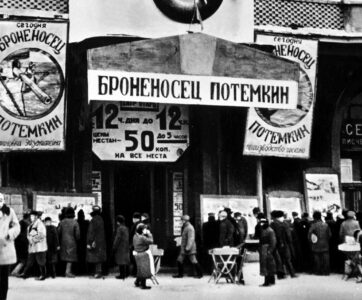
«О „Потемкине“, не кичась, можно сказать, что видали его многие миллионы зрителей»
-

«Как Ласло помог Беле» — О литературоцентричности венгерского кино
-

2025: Я жду курьера — Итоги Любови Аркус
-

Проруха и обух — «Отец Мать Сестра Брат» Джима Джармуша
-

2025: Итоги Василия Степанова
-

«Угодить Шостаковичем всем невозможно. Шостакович у каждого свой» — Разговор с Алексеем Учителем